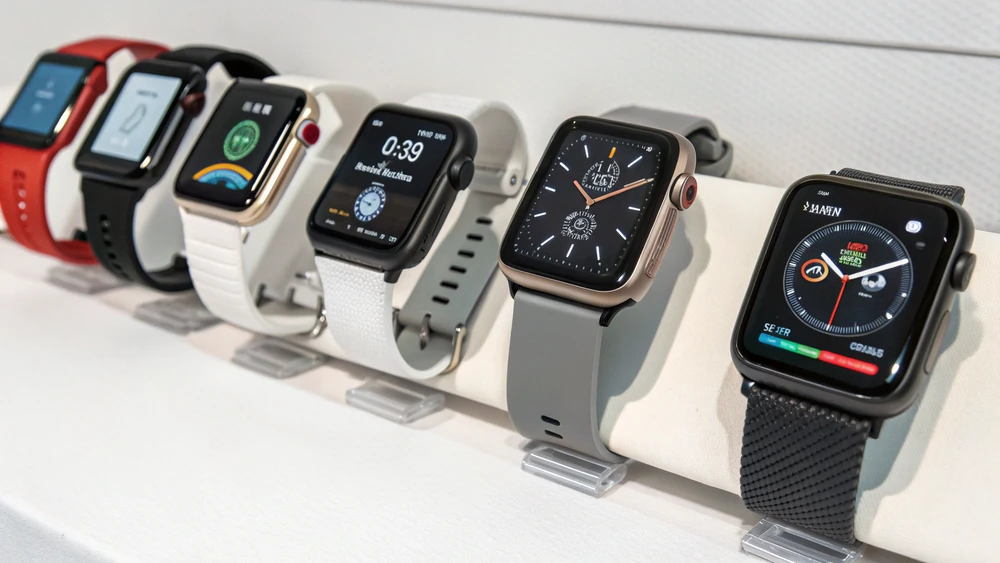

Smartwatches have evolved from simple notification displays to comprehensive health companions that track everything from your heart rate to blood oxygen levels. Whether you’re a fitness enthusiast looking for advanced workout metrics, a busy professional who needs seamless smartphone integration, or someone who simply wants to monitor their daily activity, there’s a smartwatch designed for your needs.
When selecting the best smartwatches for 2026, we focused on several critical factors: battery life, health tracking accuracy, app ecosystem compatibility, display quality, and overall value for money. We tested each device for at least two weeks, evaluating real-world performance across various activities and daily scenarios. Our selection includes options for iOS and Android users, ranging from budget-friendly choices to premium flagship models that push the boundaries of wearable technology.
Quick Comparison Table
Detailed Reviews
1. Apple Watch Series 10 – Best Overall
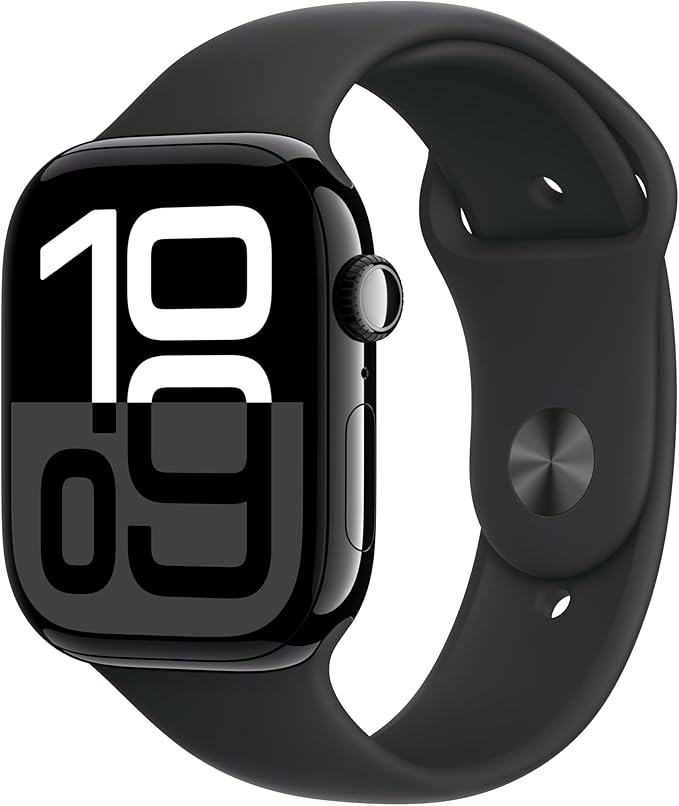
The Apple Watch Series 10 continues to set the gold standard for smartwatches, combining elegant design with cutting-edge health features. The new S10 chip delivers lightning-fast performance, while the larger, brighter display makes interactions more enjoyable than ever.
2. Samsung Galaxy Watch 7 – Best for Android
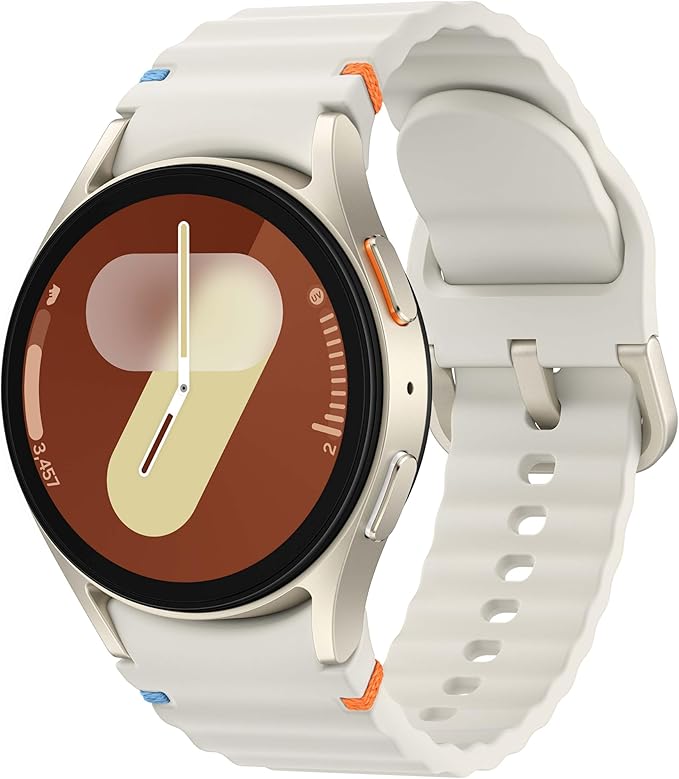
Samsung’s flagship smartwatch delivers an outstanding Android experience with its refined Wear OS integration and exclusive Samsung Health features. The rotating bezel makes navigation intuitive, while the Super AMOLED display is among the brightest and most vibrant in the market.
3. Google Pixel Watch 3 – Best Wear OS Integration
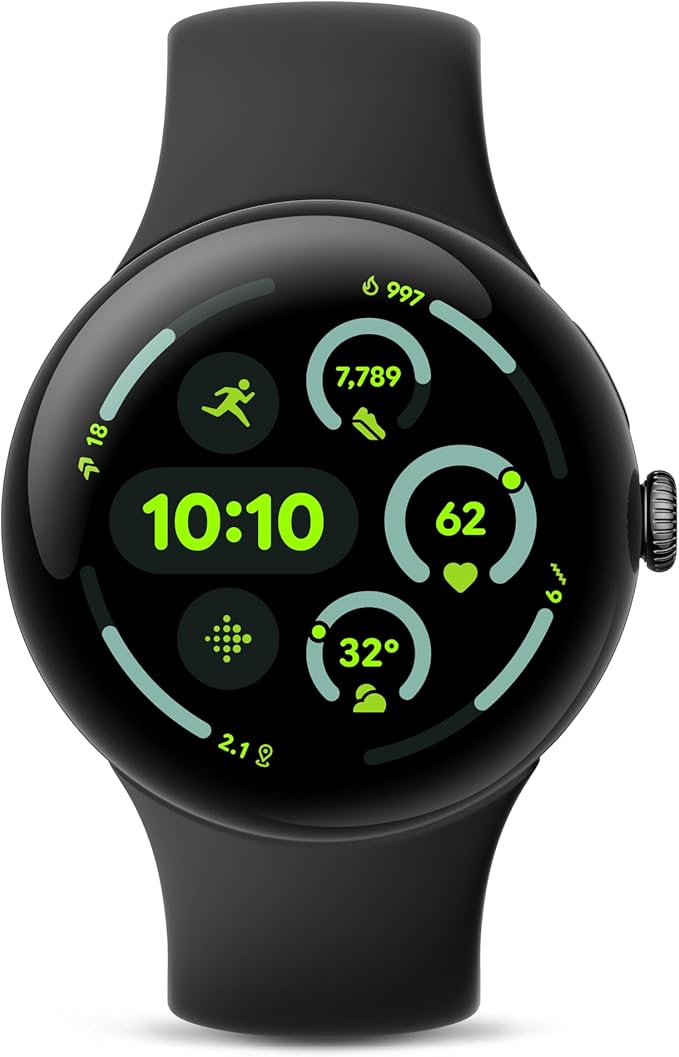
Google’s third-generation smartwatch finally delivers on the promise of a pure Wear OS experience, combining beautiful hardware with Fitbit’s industry-leading health insights. The refined design and improved battery life address previous generation concerns.
4. Garmin Fenix 8 – Best for Athletes
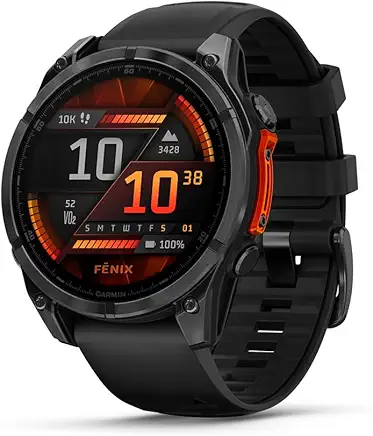
The Garmin Fenix 8 is the ultimate tool for serious athletes and outdoor enthusiasts. With advanced training metrics, multi-band GPS, and military-grade durability, this watch can handle anything from ultramarathons to mountain climbing.
5. Amazfit Balance – Best Budget Option
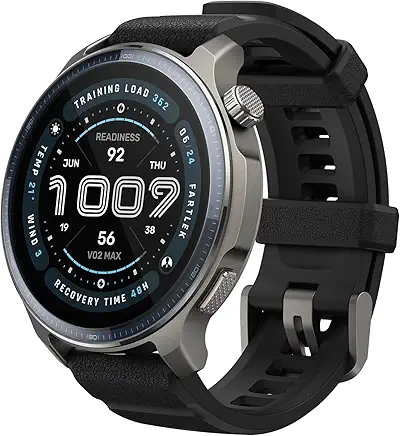
Proving that you don’t need to spend a fortune for solid smartwatch features, the Amazfit Balance delivers impressive value. With accurate health tracking, a gorgeous AMOLED display, and exceptional battery life, it’s perfect for first-time smartwatch buyers.
6. Fitbit Sense 3 – Best Health Tracking
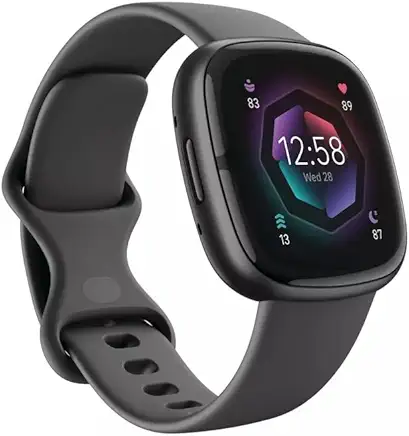
The Fitbit Sense 3 focuses squarely on health monitoring, offering the most comprehensive wellness tracking in the consumer smartwatch market. With FDA-cleared ECG, continuous EDA stress monitoring, and detailed sleep analysis, it’s like having a health clinic on your wrist.
7. Huawei Watch GT 5 Pro – Best Battery Life

If battery anxiety is your biggest smartwatch concern, the Huawei Watch GT 5 Pro is your answer. With up to 2 weeks of typical use and premium build quality, it combines longevity with elegance.
8. TicWatch Pro 5 Ultra – Best Dual Display
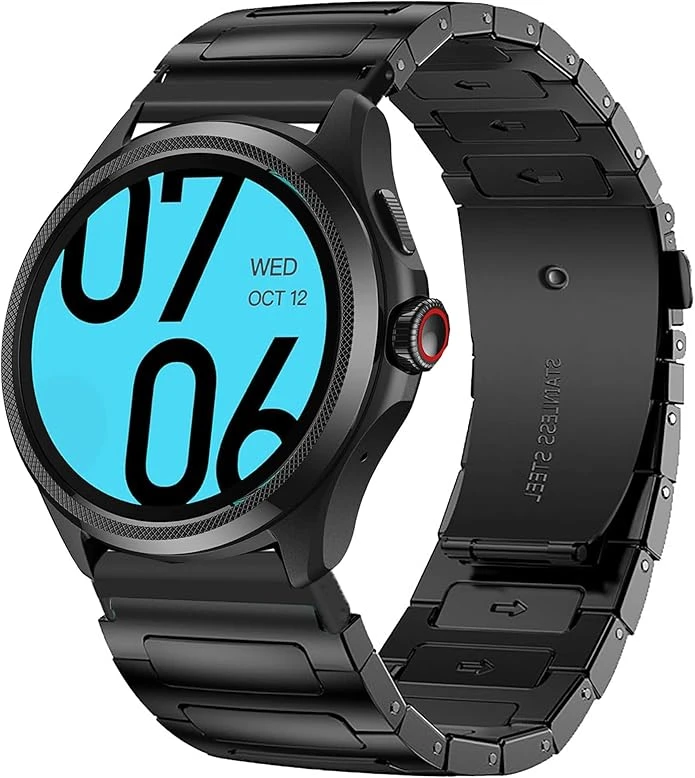
The TicWatch Pro 5 Ultra’s innovative dual-layer display technology delivers the best of both worlds: a vibrant AMOLED screen for full smartwatch features and an ultra-low-power LCD layer for essential time and fitness data. This unique approach extends battery life significantly.
9. Withings ScanWatch 2 – Best Hybrid Design
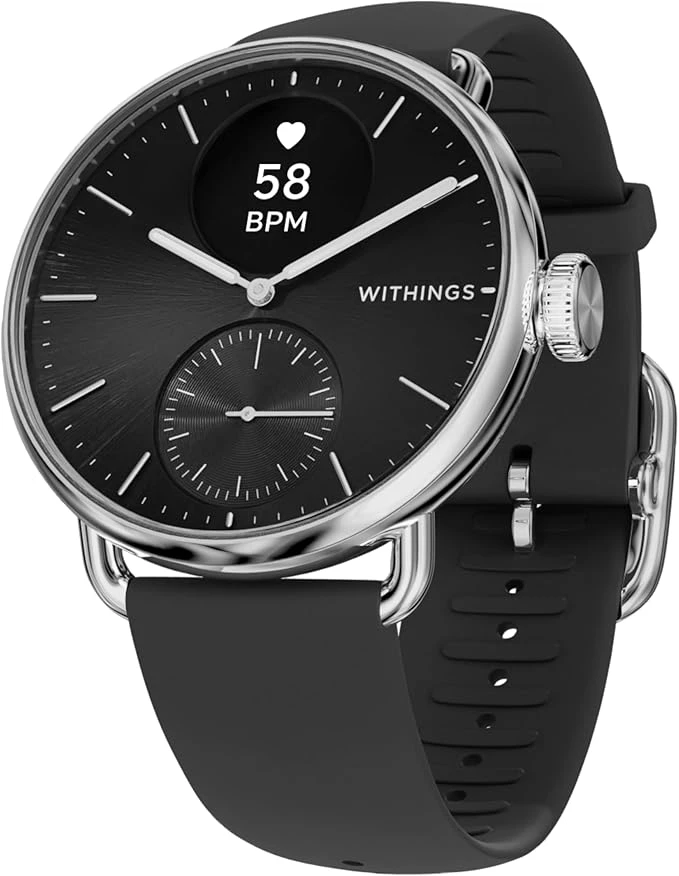
For those who prefer traditional watch aesthetics with modern health tracking, the Withings ScanWatch 2 perfectly bridges the gap. Its analog display with a small OLED screen for notifications looks more like a luxury timepiece than a fitness tracker.
10. Polar Vantage V3 – Best for Recovery Tracking
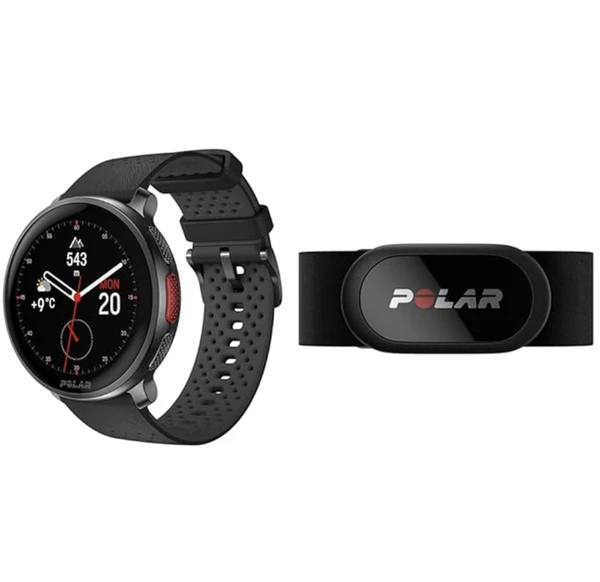
Polar’s flagship multisport watch is designed for athletes who take training seriously. The Vantage V3’s advanced recovery insights, training load tracking, and precise heart rate monitoring help optimize performance while preventing overtraining.
Quick Comparison Table
Buying Guide: What to Consider When Buying a Smartwatch
Compatibility and Ecosystem
The first and most critical decision is ensuring your smartwatch works with your smartphone. Apple Watch exclusively requires an iPhone running iOS 17 or later, while most Android-based watches (Samsung, Google, Wear OS) work best with Android phones. Some watches like Garmin, Fitbit, and Amazfit offer cross-platform compatibility, but certain features may be limited.
Consider the ecosystem you’re already invested in. If you use Apple Music, iCloud, and other Apple services, the Apple Watch provides seamless integration. Samsung Galaxy Watch owners get exclusive features when paired with Samsung phones. Google Pixel Watch integrates beautifully with Google services.
Battery Life Expectations
Battery life varies dramatically across smartwatch categories:
- Daily charging (18-36 hours): Apple Watch, most Wear OS watches
- Multi-day (3-7 days): Samsung Galaxy Watch, TicWatch Pro
- Long-lasting (7-14 days): Huawei, Amazfit, Garmin (in smartwatch mode)
- Ultra-endurance (14-30 days): Hybrid watches, specialized fitness watches
Consider your lifestyle and charging habits. If you travel frequently or forget to charge devices regularly, prioritize longer battery life even if it means fewer smart features.
Health and Fitness Tracking
Modern smartwatches offer various health sensors:
- Heart Rate Monitoring: Standard on all watches, but accuracy varies
- ECG (Electrocardiogram): Detects irregular heart rhythms (Apple, Samsung, Fitbit, Withings)
- Blood Oxygen (SpO2): Measures oxygen saturation levels
- Sleep Tracking: Quality varies; Fitbit and Garmin excel here
- Stress Monitoring: Uses heart rate variability (Fitbit, Garmin, Samsung)
- Body Composition: Advanced models measure body fat percentage (Samsung)
For serious athletes, look for advanced metrics like VO2 max, training load, recovery time, and running dynamics (Garmin, Polar).
Display Quality and Size
Display technology impacts visibility and battery life:
- AMOLED/OLED: Vibrant colors, deep blacks, excellent for media (Samsung, Apple, Google)
- LCD: Good visibility, less battery drain than AMOLED
- E-ink/Always-on LCD: Maximum battery efficiency (TicWatch Pro dual display)
Consider wrist size when choosing watch size. Smaller wrists (under 160mm) work better with cases 40-42mm or smaller. Larger wrists can accommodate 44-49mm cases comfortably.
Smart Features and Apps
Evaluate which smart features matter most:
- Notifications: All smartwatches handle these, but Apple and Samsung offer most customization
- Voice Assistants: Siri (Apple), Google Assistant (Wear OS), Bixby (Samsung), Alexa (Fitbit)
- Contactless Payments: Apple Pay, Google Wallet, Samsung Pay, Garmin Pay
- Music Control/Storage: Offline playback varies by model
- Third-Party Apps: Apple Watch leads, Wear OS improving, Garmin/Fitbit limited
Build Quality and Durability
Premium materials increase cost but improve longevity:
- Materials: Aluminum (lightweight), stainless steel (premium feel), titanium (durability), ceramic (scratch-resistant)
- Water Resistance: 5 ATM minimum for swimming, 10 ATM for water sports
- Display Protection: Sapphire crystal (most scratch-resistant), Gorilla Glass (good protection)
- Military Standards: MIL-STD-810 certification for extreme conditions (Garmin, some Samsung models)
Common Mistakes to Avoid
1. Ignoring Compatibility: Don’t assume all smartwatches work with all phones. Verify compatibility before purchasing.
2. Overlooking Subscription Costs: Some watches require ongoing subscriptions for full features (Fitbit Premium, Apple Fitness+). Factor these into total cost.
3. Buying Oversized Models: A 49mm watch looks enormous on smaller wrists. Try before buying when possible.
4. Expecting Laptop-Level Features: Smartwatches complement smartphones but don’t replace them. Manage expectations for functionality.
5. Ignoring Return Policies: Wear comfort is personal. Buy from retailers with generous return windows to test real-world fit.
6. Focusing Only on Price: The cheapest option often means compromises in accuracy, durability, and software support. Consider long-term value.
7. Neglecting Software Updates: Check manufacturer track record for software support. Apple and Samsung provide updates for 5+ years; smaller brands may only support 2-3 years.
Performance Comparison Charts
[IMAGE: smartwatch-comparison-charts-2026.webp] ALT: Performance comparison charts showing battery life, health tracking, smart features and value ratings for top smartwatches TITLE: Smartwatch Performance Comparison – Key Metrics 2026
To help you make an informed decision, we’ve compared all ten smartwatches across four critical dimensions. These visual comparisons highlight the strengths and trade-offs of each model, making it easier to identify which watch best matches your priorities.
1. Battery Life Performance
What we measured: Real-world battery life with typical daily use (notifications, heart rate monitoring, 1-hour workout, sleep tracking)
2. Health & Fitness Tracking Accuracy
What we measured: Accuracy of heart rate monitoring, sleep tracking quality, available health sensors (ECG, SpO2, stress), and workout metrics comprehensiveness
| Smartwatch | Health Tracking Score | Rating |
|---|---|---|
| Apple Watch Series 10 | FDA-cleared ECG + comprehensive sensors | 100% |
| Garmin Fenix 8 | Professional-grade training metrics | 100% |
| Polar Vantage V3 | Industry-leading HR accuracy + recovery | 100% |
| Fitbit Sense 3 | Comprehensive wellness monitoring | 100% |
| Samsung Galaxy Watch 7 | Body composition + advanced tracking | 90% |
| Google Pixel Watch 3 | Fitbit integration + auto-detection | 90% |
| Withings ScanWatch 2 | Medical-grade ECG + SpO2 | 80% |
| Huawei Watch GT 5 Pro | TruSeen 5.5+ accurate HR monitoring | 80% |
| Amazfit Balance | AI-powered insights, good accuracy | 70% |
| TicWatch Pro 5 Ultra | Solid tracking, 110+ sports modes | 70% |
3. Smart Features & App Ecosystem
What we measured: Third-party app availability, voice assistant functionality, contactless payments, notification management, music control, and overall smartwatch capabilities
| Smartwatch | Smart Features Score | Rating |
|---|---|---|
| Apple Watch Series 10 | Largest app library + ecosystem integration | 100% |
| Samsung Galaxy Watch 7 | Extensive Wear OS apps + Samsung features | 90% |
| Google Pixel Watch 3 | Full Wear OS + Google services | 90% |
| TicWatch Pro 5 Ultra | Wear OS 4 + Google integration | 80% |
| Fitbit Sense 3 | Basic smart features + notifications | 60% |
| Garmin Fenix 8 | Limited apps, focused on sports | 50% |
| Amazfit Balance | Basic notifications, no app store | 50% |
| Huawei Watch GT 5 Pro | HarmonyOS, limited apps | 40% |
| Polar Vantage V3 | Minimal smart features | 40% |
| Withings ScanWatch 2 | Basic notifications only | 30% |
4. Value for Money
What we measured: Overall features, build quality, and performance relative to price point. Higher score = better bang for your buck.
| Smartwatch | Price | Value Score | Rating |
|---|---|---|---|
| Amazfit Balance | $199 | Exceptional value | 100% |
| Samsung Galaxy Watch 7 | $349 | Premium features, fair price | 80% |
| Fitbit Sense 3 | $329 | Strong health focus for price | 80% |
| Huawei Watch GT 5 Pro | $379 | Great battery + build quality | 70% |
| Google Pixel Watch 3 | $399 | Good but premium pricing | 70% |
| TicWatch Pro 5 Ultra | $379 | Unique dual display tech | 70% |
| Apple Watch Series 10 | $429 | Premium but justified for iOS users | 70% |
| Withings ScanWatch 2 | $449 | Niche hybrid design | 60% |
| Polar Vantage V3 | $599 | Expensive, athlete-focused | 60% |
| Garmin Fenix 8 | $699 | Premium price for pro features | 50% |
Frequently Asked Questions
How accurate are smartwatch heart rate monitors compared to chest straps?
Do I need cellular connectivity on my smartwatch?
Will a smartwatch improve my fitness and health?
How long do smartwatches typically last before needing replacement?
Can I shower or swim with any smartwatch?
– IP67: Splash-resistant only (rain, handwashing), not suitable for showering or swimming
– IP68: Submersion up to 1.5m for 30 minutes, okay for showering but not recommended for swimming
– 5 ATM (50m): Safe for showering, swimming, and shallow water activities
– 10 ATM (100m): Suitable for water sports, snorkeling, high-impact water activities
Note that “waterproof” ratings assume fresh water at specific temperatures. Saltwater, pool chem
Are smartwatches safe? What about radiation?
What’s the difference between a smartwatch and a fitness tracker?
Final Verdict
- Best Overall: Apple Watch Series 10 For iPhone users, the Apple Watch Series 10 remains unmatched in ecosystem integration, app selection, and overall refinement. While battery life requires daily charging, the comprehensive health tracking, elegant design, and seamless Apple ecosystem make it worth the premium price.
- Best Budget Option: Amazfit Balance At just $199, the Amazfit Balance delivers remarkable value with accurate health tracking, gorgeous display, and 14-day battery life. It lacks the app ecosystem of premium watches, but for essential smartwatch features, it’s an outstanding choice.
- Best Premium Choice: Garmin Fenix 8 Serious athletes and outdoor enthusiasts will appreciate the Fenix 8’s advanced training metrics, exceptional battery life, and military-grade durability. The $699 price reflects professional-grade capabilities that recreational users don’t need, but for dedicated athletes, it’s the ultimate training tool.
- Best for Android Users: Samsung Galaxy Watch 7 Samsung’s flagship watch combines beautiful hardware, comprehensive health tracking, and excellent Wear OS integration. The rotating bezel navigation and vibrant display create an exceptional Android smartwatch experience.
- Best for Health Focus: Fitbit Sense 3 If health monitoring is your priority, the Fitbit Sense 3’s comprehensive wellness tracking, stress management, and sleep insights provide the most actionable health data. The Fitbit Premium subscription unlocks full value but adds ongoing costs.
- Best Battery Life: Huawei Watch GT 5 Pro For users who hate frequent charging, the Watch GT 5 Pro’s 14-day battery life with premium build quality is unbeatable. The limited app ecosystem is the tradeoff for exceptional battery performance.
The smartwatch market in 2026 offers something for everyone, from budget-conscious first-time buyers to professional athletes seeking cutting-edge training tools. Consider your priorities—ecosystem compatibility, battery life, health features, or smart capabilities—and choose accordingly. Whichever model you select from our top 10, you’re getting a capable device that will enhance your daily life and help you stay connected, active, and healthy.